
|
BENOPTex-FE (Online Platform)
- About
BENOPTex-FE - About
|
|
|
BENOPTex-FE (Online Platform)
- About
BENOPTex-FE - About
|
The research group Renewable Energies works on two main topics: systems modelling of biomass usage as well as spatial analyses of all renewable energies.
We cover all renewables and energy sectors, including also some parts of the wider bioeconomy, such as chemistry. We perform monitoring of the current state as well as modelling of future scenarios.
To this end, we developed inhouse suit of software tools that assist us in these dimensions.
The extended BioENergy OPTimization model (BENOPTex) has been developed to simulate the competition between various bioenergy technology options. BENOPTex is a perfect foresight optimization model designed
to optimally allocate dispatchable renewable energy carriers across different sectors. It aims to achieve two main objectives: maximizing the greenhouse gas (GHG) abatement and cost minimization while meeting
specific energy or GHG targets. Additionally, BENOPTex enables Pareto analyses to be performed by combining these objective functions.
BENOPTex encompasses multiple sectors, including transport (road passenger, road goods, rail, shipping, and aviation), power and heat (industry, household, and commercial), and chemical industries.
It also includes relevant areas of the non-energy sectors such as forestry, agriculture, soil management, and wetland management to effectively evaluate LULUCF targets for GHG reduction.
The model operates yearly, except for residual load demand and surplus power usage, which can be analyzed hourly. BENOPTex is spatially detailed to the level of NUTS-1 and integrates detailed input-output,
CAPEX, and OPEX data for feedstocks, conversion, and supply (vehicle data is planned). This integration allows for comprehensive cost analyses and, when combined with relevant emission factors,
thorough GHG analyses.
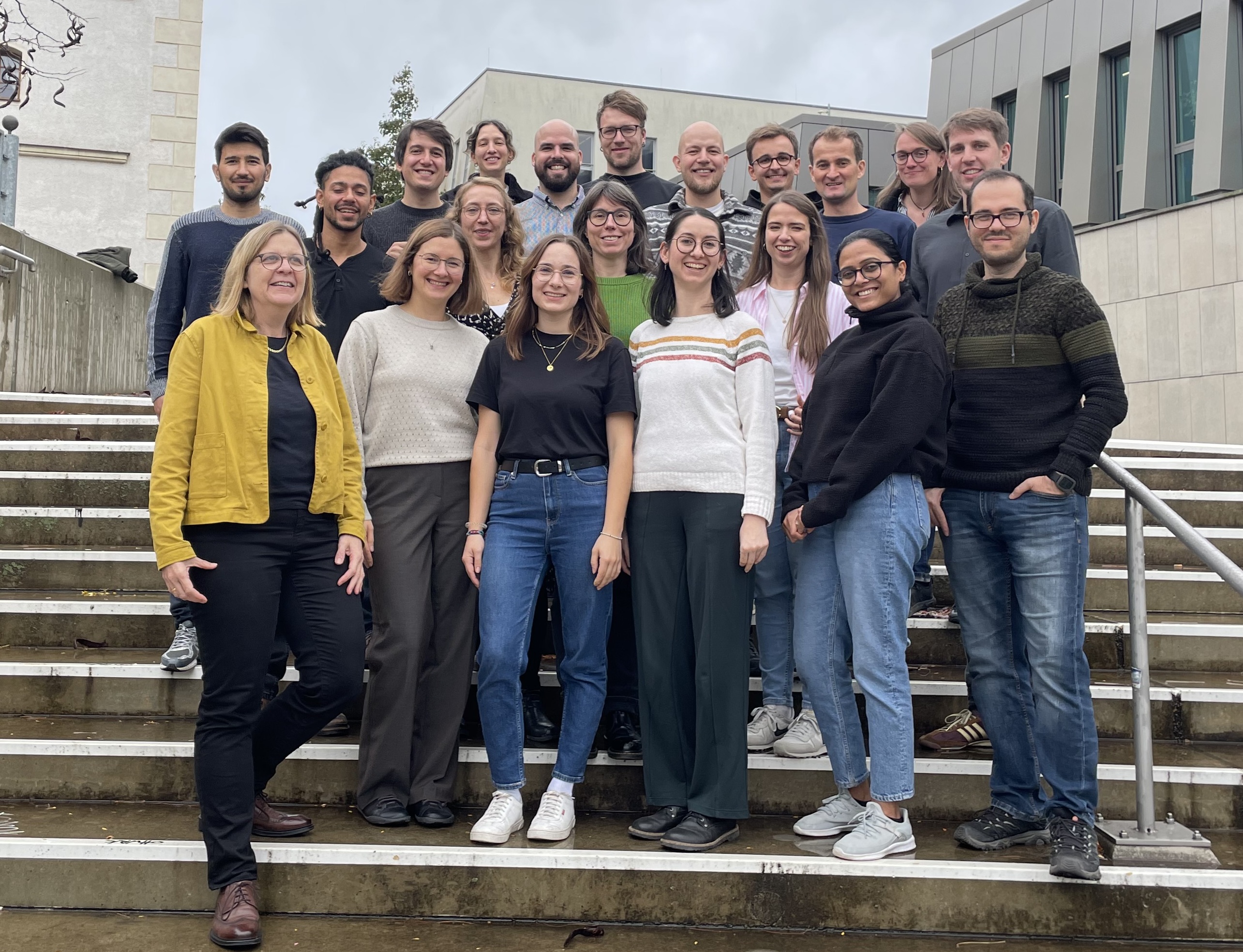
To monitor the status quo and model future scenarios of renewable energies as well as connected sectors (i.e. bioeconomy, carbon dioxide removal) in multifunctional landscapes.
The competition over shared resources (e.g., land and water) is increasing as the focus is shifting away from sub-surface fossil resources to sustainable ones on the ground (solar, hydro, and bioenergy) and above ground (wind). Shared resources should be managed sustainably, considering the many expectations of a sustainable earth and environment. To shape energy landscapes sustainably, we need to monitor the transformation of intertwined systems, which subsequently enables us to model possible future scenarios accurately and investigate the impact of various changing socio-techno-economic and political factors affected by climate change.
Please contact us at BENOPTex@ufz.de

|

|

|